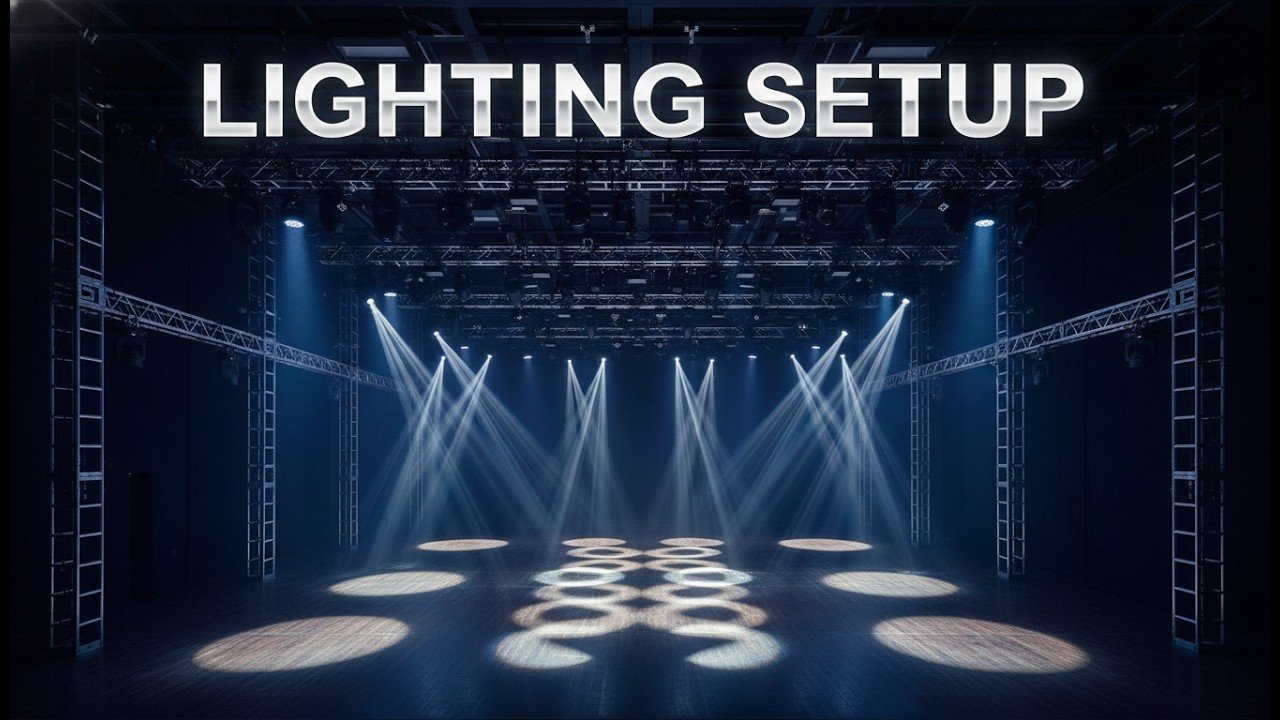
A practical event lighting checklist helps corporate event planners give the production team the information they need before equipment is specified, schedules are confirmed, or the room is built. The earlier these details are collected, the easier it is to avoid last-minute changes to fixture placement, power, rigging, camera exposure, stage coverage and crew requirements.
This checklist is designed for conferences, corporate galas, awards nights, product launches, panels, executive presentations and branded events. It works as both a practical lighting design checklist and an event lighting plan for pre-production, focusing on the information a lighting team needs before equipment is specified rather than on a generic fixture list.
1. Venue dimensions
Start with accurate venue dimensions. Room width and length affect fixture throw distance, truss placement, audience coverage and cable routes. Do not rely only on the venue capacity listed on a brochure.
- Room width and length
- Usable event floor area
- Distance from stage to rear wall
- Distance from stage to front-of-house position
- Locations of pillars, balconies or architectural obstructions
- Access doors and service corridors
If the venue has a floor plan or CAD drawing, send it to the production team before the lighting design is finalized.
2. Ceiling height and rigging points
Ceiling height directly affects lighting angles, beam spread, fixture selection and the type of truss or ground-support system that may be required.
- Clear ceiling height above the event floor
- Height above the stage
- Existing house truss or rigging grid
- Approved rigging points and their locations
- Venue rigging restrictions
- Required house rigger or engineer
- Maximum permitted loads
A high ceiling does not automatically mean every position can be used for rigging. Confirm which points are approved by the venue and whether rigging must be booked separately.
3. Power requirements and available circuits
Lighting, LED walls, audio, video and catering can all place significant demand on venue power. The lighting team should know what power is available before finalizing the equipment package.
- Available voltage and service capacity
- Location of electrical panels and disconnects
- Available dedicated circuits
- Existing company switches or tie-in points
- Distance from power source to stage and lighting positions
- Whether venue electricians are required for connections
- Other production systems sharing the same electrical service
Do not assume that standard wall receptacles are enough for a complete corporate lighting system. Power distribution should be planned around the final production load.
4. Stage dimensions
Stage dimensions determine how wide the lighting coverage needs to be and where presenters, panelists, scenic elements and displays will sit.
- Stage width
- Stage depth
- Stage height
- Number and location of stairs
- Lectern or podium position
- Panel seating area
- Performance or awards area
- Presenter movement zones
For moving presenters, provide the full usable stage area rather than only the position of the lectern. Lighting should cover the places people will actually stand and move.
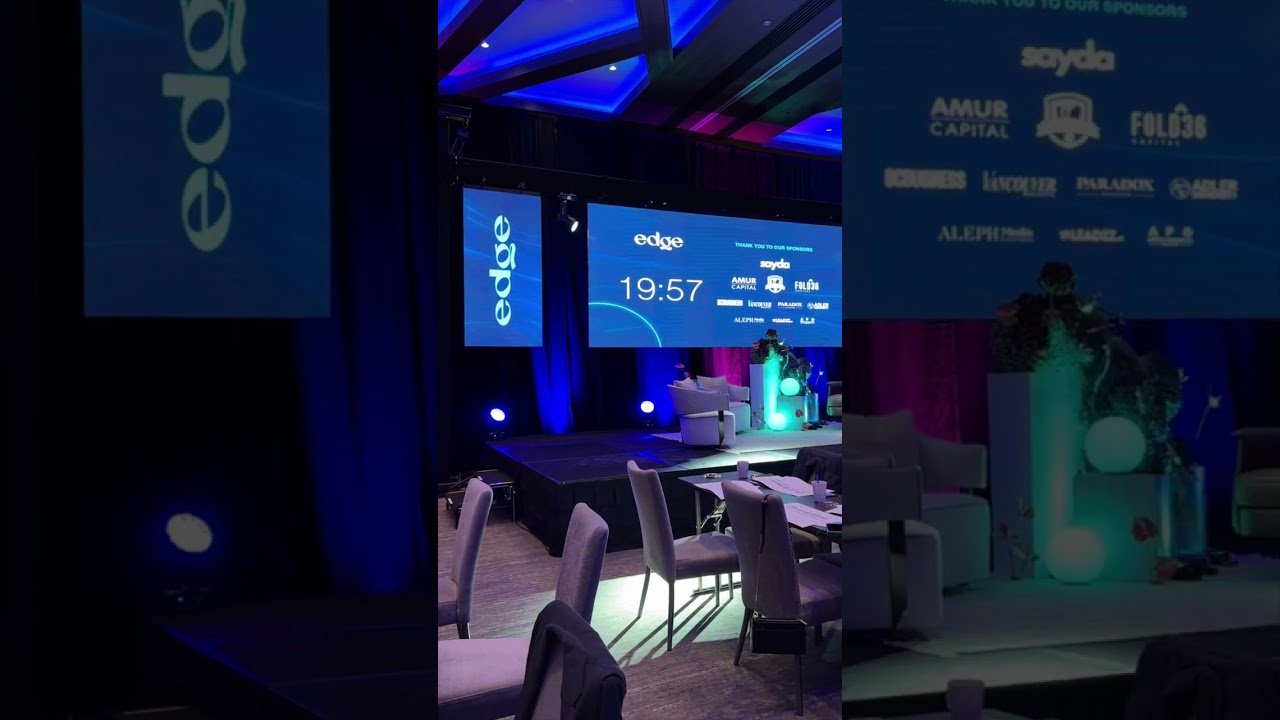
See a real corporate stage lighting setup
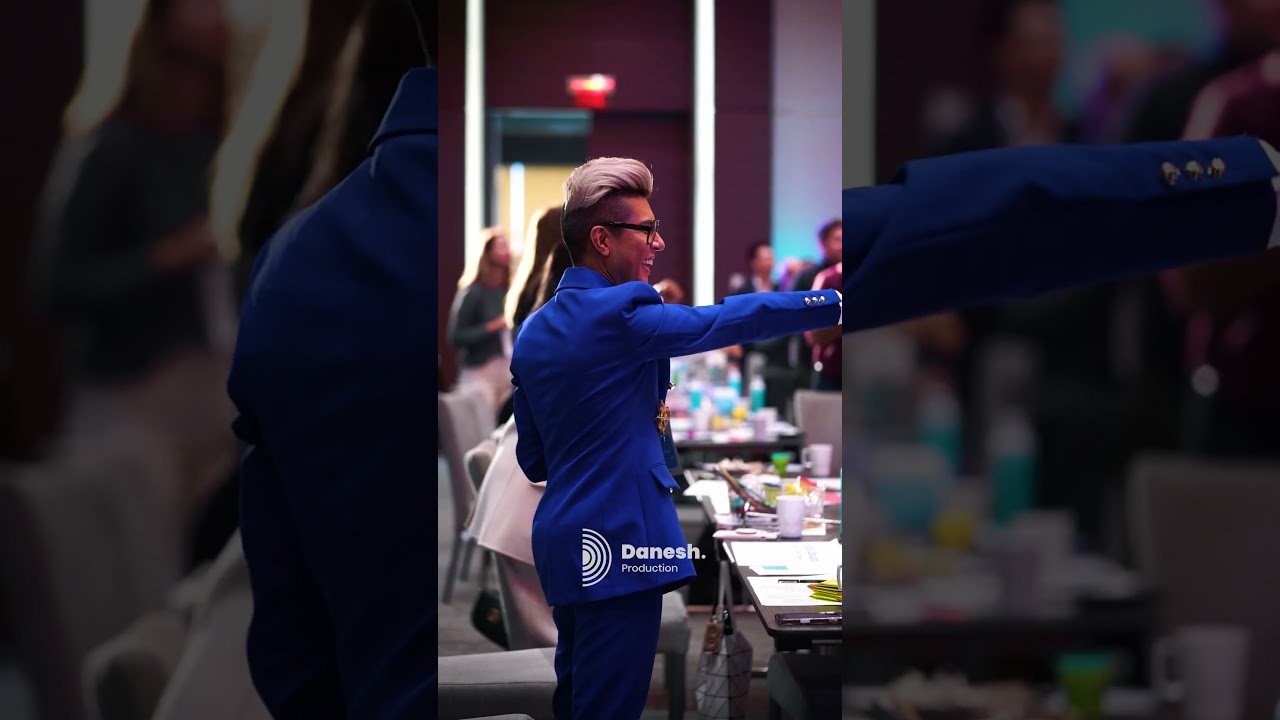
This Danesh Production project at Capilano University shows a real stage environment where speaker positions, stage dimensions and lighting coverage have to work together.
5. LED wall specifications
An LED wall is part of the lighting environment because its brightness, size and position affect camera exposure, presenter visibility and the perceived contrast of the stage.
- LED wall width and height
- Pixel pitch if known
- Exact stage position
- Distance from presenters
- Maximum expected brightness
- Typical content style: bright slides, dark branding, video or mixed content
- Whether side screens or confidence monitors are also being used
Ask the lighting and video teams to review the LED wall and presenter lighting together during rehearsal. A screen that looks correct to the audience can still dominate the image on camera.
See LED wall and stage lighting working together
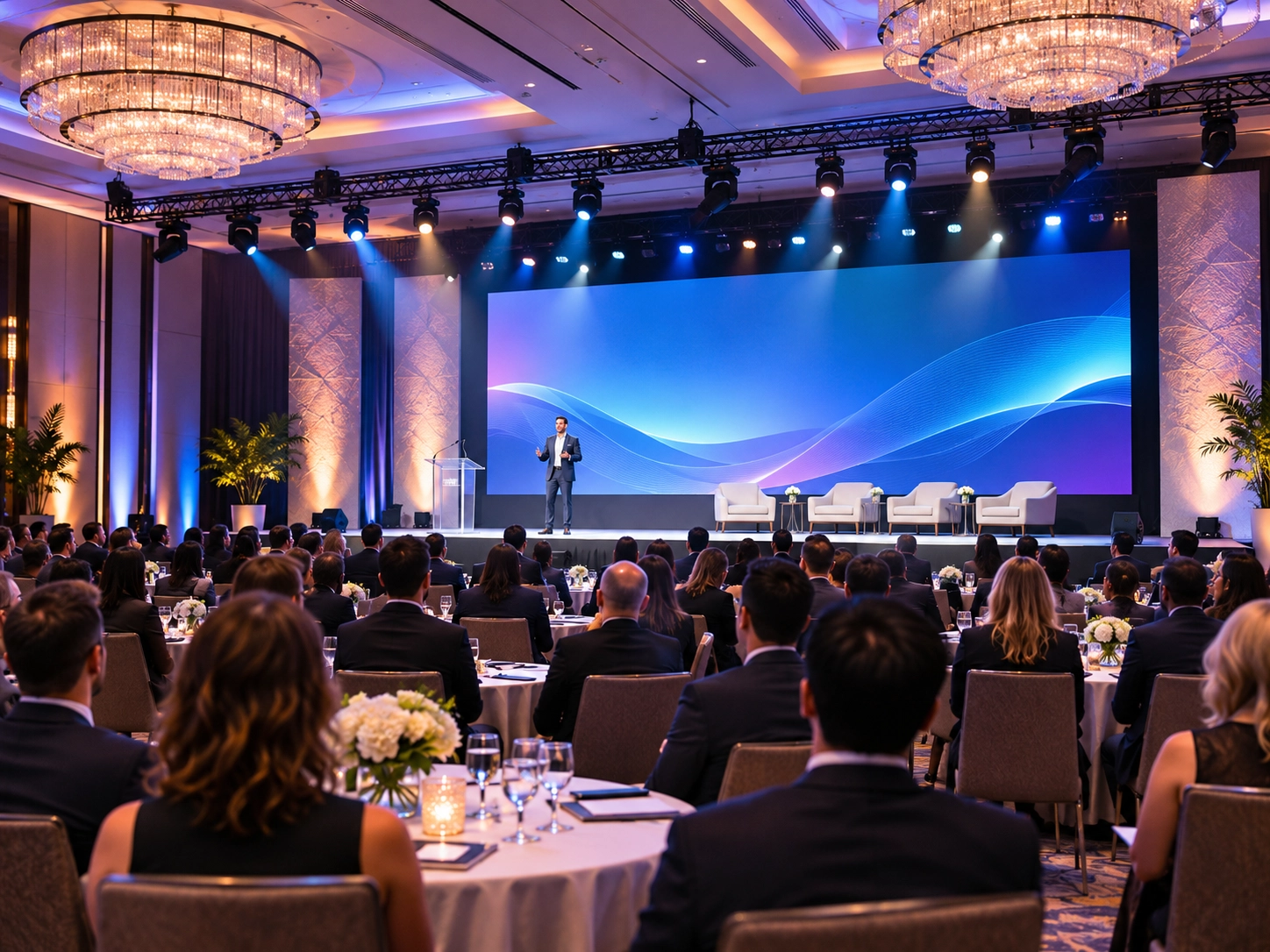
This Danesh Production project at Paradox Vancouver shows how LED wall brightness, stage lighting and the presentation environment interact in a corporate event.
6. Speaker and podium locations
Mark every place where someone will speak. A lighting setup that works only at the podium can fail as soon as the CEO walks to centre stage or a panel begins.
- Main podium or lectern position
- Keynote position
- Panel chairs
- Fireside chat seating
- Awards presentation area
- Product demonstration position
- Walk-on and walk-off paths
Include the approximate height and type of lectern if available, especially when the event will be filmed or photographed. Transparent, glossy and reflective podiums can affect fixture angles and camera reflections.
7. Audience layout
The audience layout affects sightlines, front-light positions, camera locations and where lighting equipment can safely be placed.
- Theatre, classroom, banquet or cabaret layout
- Number of guests
- Front row distance from stage
- Central and side aisles
- VIP tables or reserved sections
- Camera platforms or risers
- Front-of-house technical position
Share the final seating plan, not only the expected guest count. Fixture placement that appears workable on an empty floor may become impossible once tables, cameras and aisles are installed.
8. Brand colours and visual direction
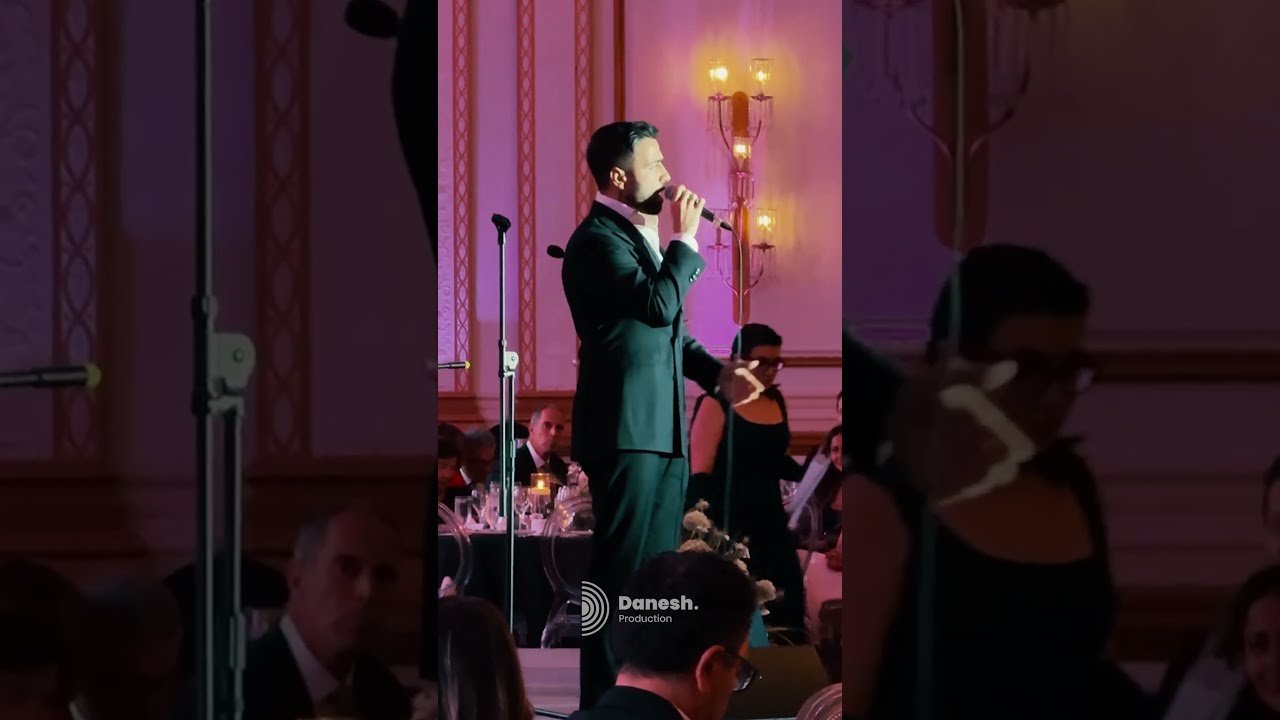
Corporate lighting should support the event identity without compromising visibility. Provide the production team with brand references before programming begins.
- Primary and secondary brand colours
- Event-specific colour palette
- Logo files and brand guidelines
- Preferred background colours
- Colours that should not appear on camera or on skin tones
- Any sponsor colour requirements
Brand colours are usually most effective on scenic elements, walls, truss, drape and architectural surfaces. Speaker lighting should remain controlled enough to reproduce natural skin tones.
9. Photography and live streaming requirements
Photography, video recording and live streaming change the lighting brief. For camera-specific guidance, read our event lighting for live streaming guide. Cameras need consistent exposure, controlled colour temperature and enough facial light from every important angle.
- Will the event be photographed?
- Will there be video recording?
- Will the event be live streamed?
- How many cameras are planned?
- Where will the cameras be positioned?
- Are side-angle or roaming cameras required?
- Will interviews or backstage content be recorded?
- What frame rate and shutter settings are expected?
The lighting team should test exposure, flicker, skin tone, shadows and LED wall brightness through the actual production cameras whenever possible.
10. Load-in time and rehearsal schedule
A technically strong lighting plan still needs enough time to be installed, focused, programmed and tested.
- Venue access time
- Loading dock booking
- Freight elevator availability
- Stage build completion time
- Rigging access window
- Lighting focus time
- Programming time
- Technical rehearsal time
- Speaker rehearsal time
- Doors-open time
Work backward from doors open. A schedule that leaves no time between installation and guest arrival also leaves no time to correct focus, colour, camera or screen issues.
11. Technical staff requirements
The required crew depends on the scale of the event, venue rules and how much live operation is expected.
- Lighting designer
- Lighting programmer or console operator
- Lighting technicians
- Riggers
- Venue electrician
- Stage manager
- Video or LED wall technicians
- Camera and streaming crew
- Show caller or technical director
Confirm which roles are supplied by the venue and which must be included in the production quote. For complex corporate shows, one technician may not be able to handle setup, programming, show cues and troubleshooting at the same time.
Corporate event lighting checklist at a glance
| Planning item | What to provide |
|---|---|
| Venue dimensions | Room width, length, floor plan and obstructions |
| Ceiling and rigging | Height, approved points, loads and venue restrictions |
| Power | Service capacity, circuits, panels and tie-in requirements |
| Stage | Width, depth, height and presenter movement zones |
| LED wall | Size, position, brightness and content type |
| Speakers and podium | Every speaking, panel and awards position |
| Audience | Seating plan, aisles, cameras and FOH position |
| Branding | Brand colours, logos and visual references |
| Photo and streaming | Camera count, positions and recording requirements |
| Schedule | Load-in, focus, programming, rehearsal and doors |
| Technical staff | Lighting, rigging, electrical, video and show-control roles |
Corporate event venue checklist: questions to ask before a lighting quote
- Can you provide a current floor plan with dimensions?
- What is the clear ceiling height above the stage and audience?
- Which rigging points are approved for event production?
- Is a house rigger required?
- What temporary power is available for lighting and AV?
- Does the venue require its own electrician?
- What are the earliest load-in and latest strike times?
- Are there sound, haze or lighting restrictions?
- Where can front-of-house and camera platforms be placed?
Final pre-production lighting check
Before the equipment list is locked, confirm that the latest floor plan, stage plan, LED wall dimensions, speaker positions, audience layout, camera plan, brand references and event schedule are all based on the same version of the event design.
The most common production problems happen when one department is working from an outdated layout. A final coordination check between the planner, venue, lighting team, video team and stage manager helps keep the physical setup, show cues and camera requirements aligned.
Plan your corporate event lighting with Danesh Production
If you already have your venue dimensions, stage plan, schedule and visual direction, Danesh Production can use that information to build a lighting plan around the real requirements of your event. Review our event lighting services in Vancouver to discuss lighting design, programming, installation and live technical support for your corporate event.