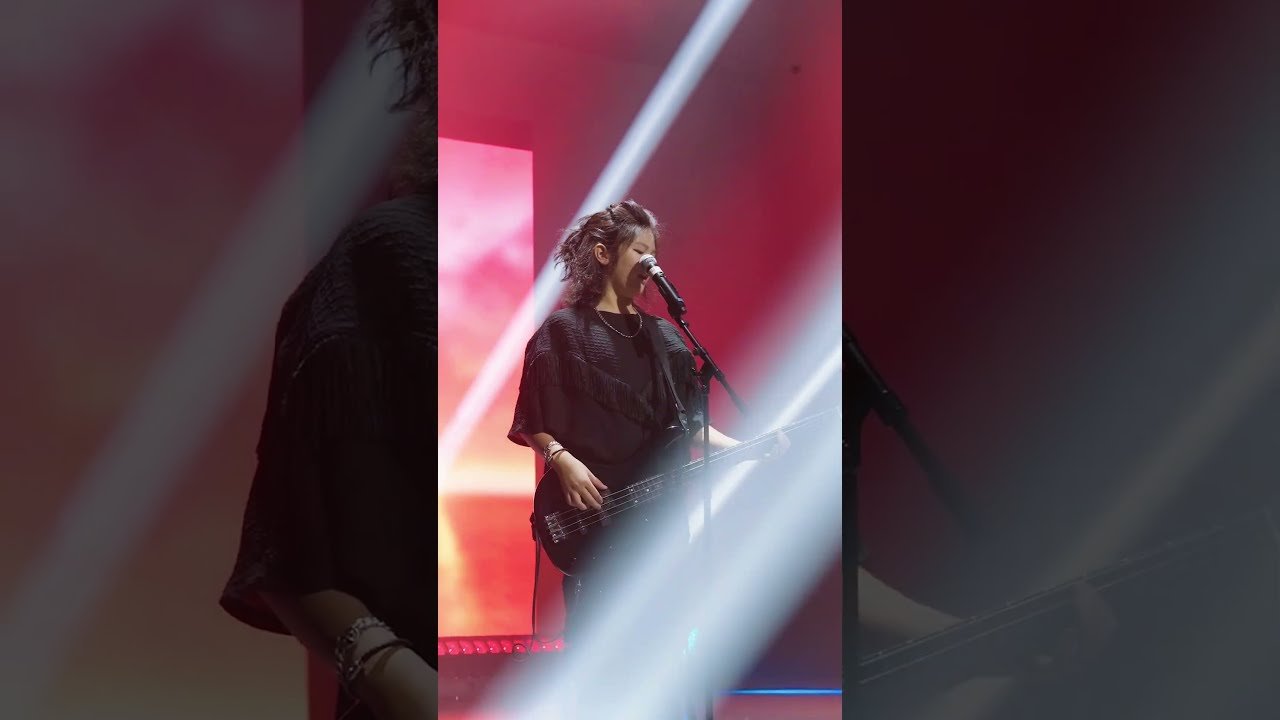
Uplighting vs stage lighting is not really a choice between two interchangeable effects. Uplighting shapes the room and architectural surfaces, while stage lighting is designed to control visibility, focus and visual impact around people, performers or presentation areas. Moving heads add another layer by bringing programmable movement, beams, colour and effects into the design.
For most professional events, the right answer is not one fixture type. It is a combination chosen around the venue, event format, audience sightlines, cameras, décor and the moments that need attention.
Uplighting vs Stage Lighting: What Is the Main Difference?
Uplighting normally places fixtures at floor level and directs light upward onto walls, columns, drape or architectural features. Its main job is atmosphere and room transformation.
Stage lighting is aimed at people and performance or presentation zones. Its job is to make speakers, performers and key activity visible while controlling contrast, direction and attention.
Moving heads are programmable fixtures that can pan and tilt. Depending on the model, they may create beams, spots, washes, gobos and colour effects, making them useful when an event needs changing looks rather than one static scene.
| Lighting type | Main purpose | Typical target | Best fit |
|---|---|---|---|
| Uplighting | Atmosphere and architecture | Walls, columns, drape | Weddings, galas, receptions, branded rooms |
| Stage lighting | Visibility and focus | Speakers, panels, performers | Conferences, presentations, concerts, fashion shows |
| Moving heads | Dynamic looks and movement | Stage, dance floor, room airspace | Concerts, fashion shows, awards, parties |
If your event requires a complete technical plan rather than individual fixtures, Danesh Production’s event lighting services combine fixture selection, placement, programming, installation and live operation around the venue and event format.
What Is Uplighting?
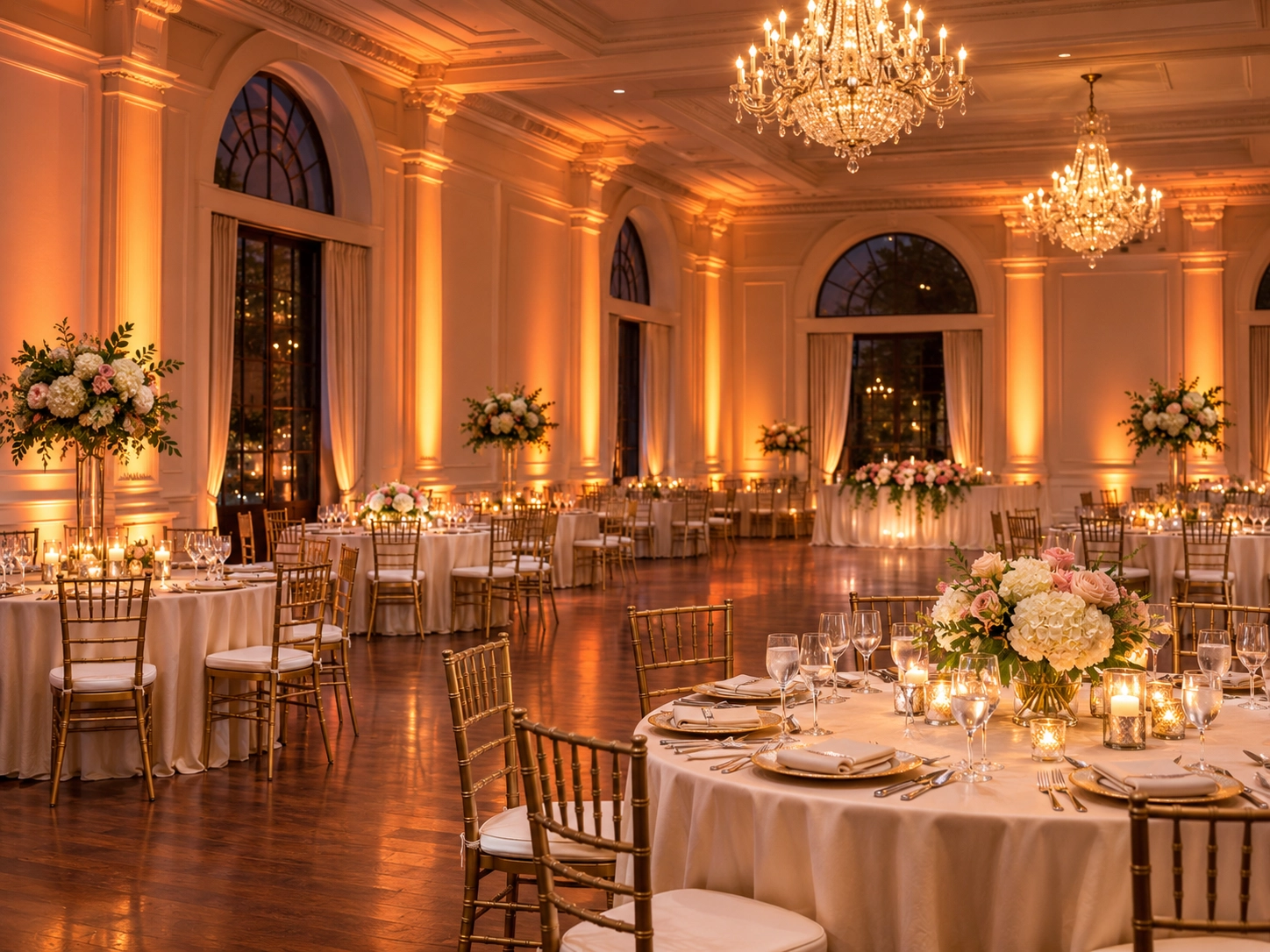
Uplighting is a decorative lighting technique in which fixtures are positioned low and aimed upward. The light creates vertical colour and texture on architectural surfaces instead of illuminating people directly.
That makes uplighting particularly effective when the room itself is part of the visual experience. A plain ballroom can feel warmer and more intentional when columns, drape and walls are given controlled colour. In a venue with strong architecture, uplighting can highlight details without filling the room with overhead light.
When does uplighting work best?
- Wedding receptions where the room needs warmth and depth.
- Corporate galas using brand colours on walls or drape.
- Hotel ballrooms where architectural details should stand out.
- Entrances, cocktail areas and perimeter walls.
- Events that need ambience without adding movement or visual noise.
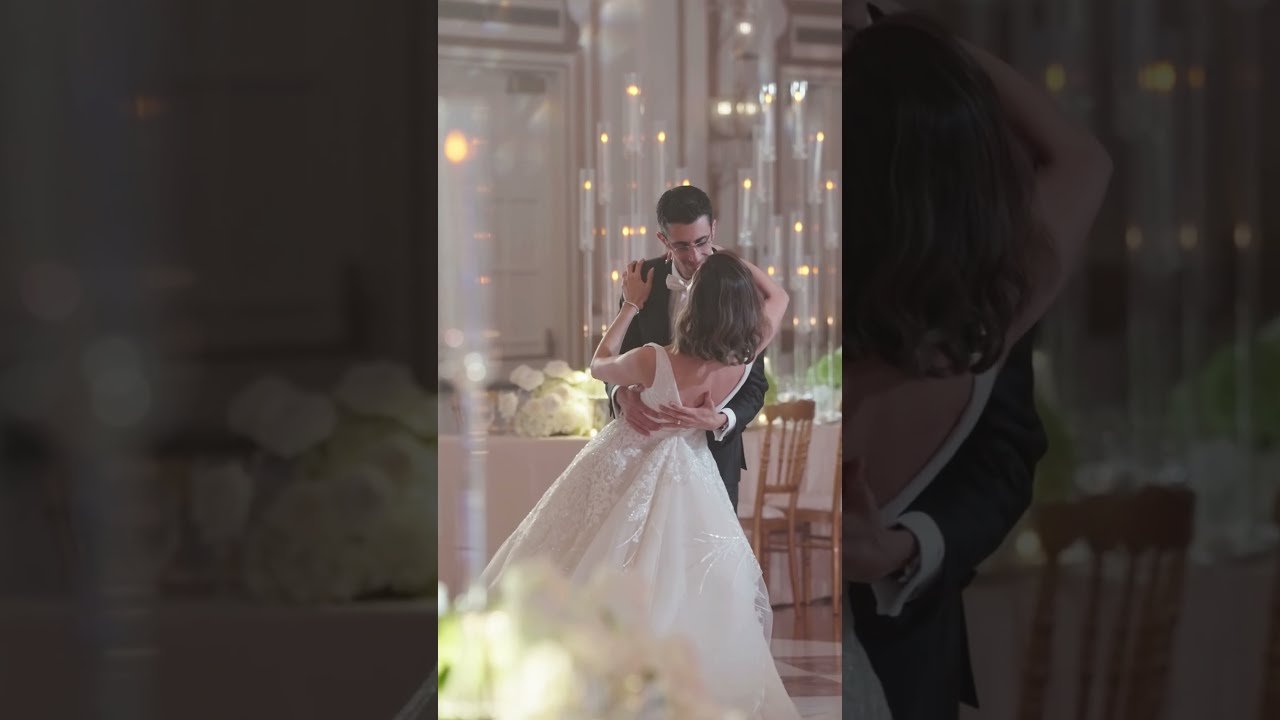
Danesh Production wedding lighting at Fairmont Hotel Vancouver shows how uplighting can shape the room while preserving the venue’s architecture.
What uplighting does not replace
Uplighting is not a substitute for proper speaker or performer lighting. A room can look dramatic while faces remain dark. If people need to be clearly seen by an audience or camera, dedicated stage or front lighting is still required.
What Is Stage Lighting?
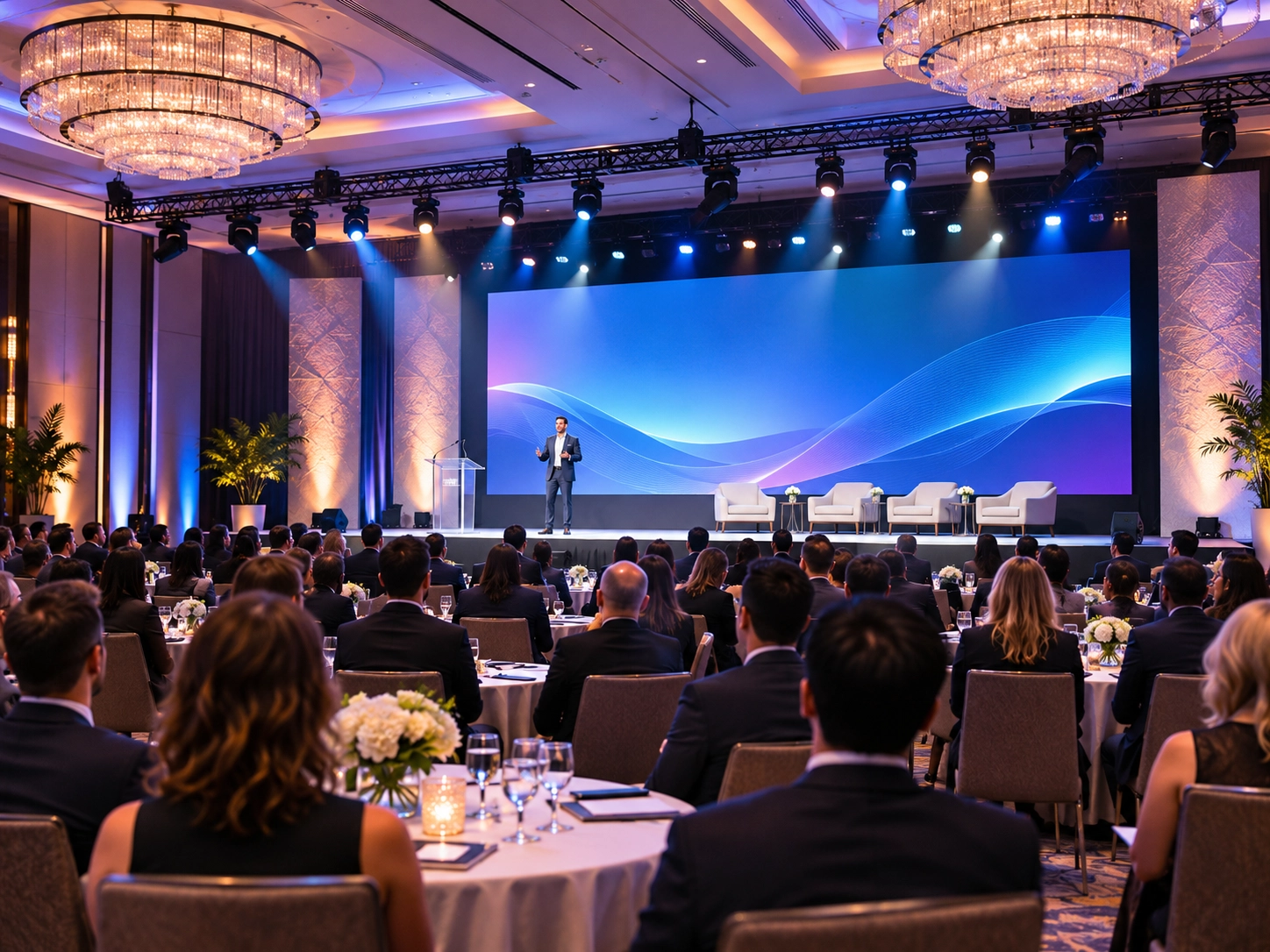
Stage lighting is the broader system used to illuminate and shape activity on a stage or presentation area. It can include front light, side light, back light, wash fixtures, spot fixtures and programmable systems.
For a conference, the priority may be natural skin tones and even speaker coverage. For a concert, stage lighting may use more colour, contrast, movement and cue changes. For a fashion show, lighting needs to keep models visible while supporting the rhythm and visual identity of the runway.
Stage lighting is about controlled attention
The audience should understand where to look. A keynote speaker, award recipient, musician or runway entrance can be emphasized by intensity, direction, contrast and colour. Good stage lighting guides attention without making the technical system itself feel distracting.
What Are Moving Head Lights?
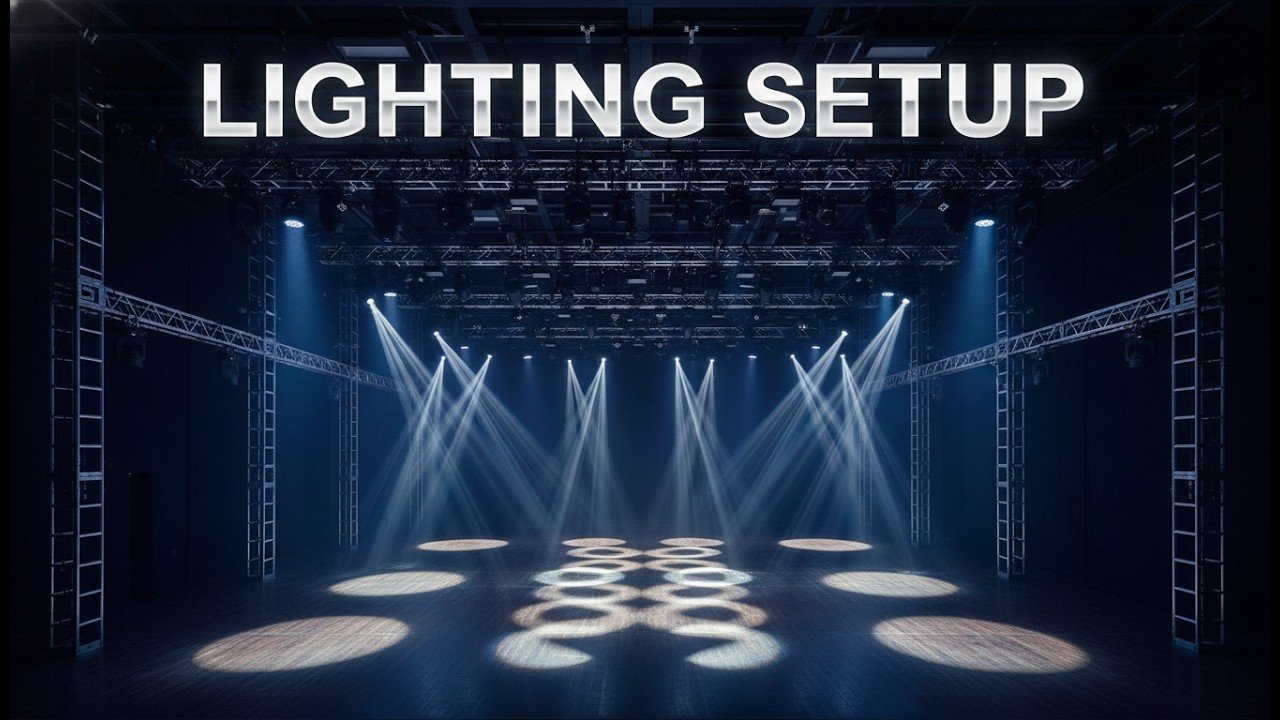
Moving head stage lights are motorized fixtures that can rotate horizontally and vertically under programmed control. They are often used when the lighting design needs multiple looks during one event.
A moving head may function as a beam, spot or wash depending on the fixture. Many models can also change colour, project gobos, alter beam size and create timed movement through DMX programming.
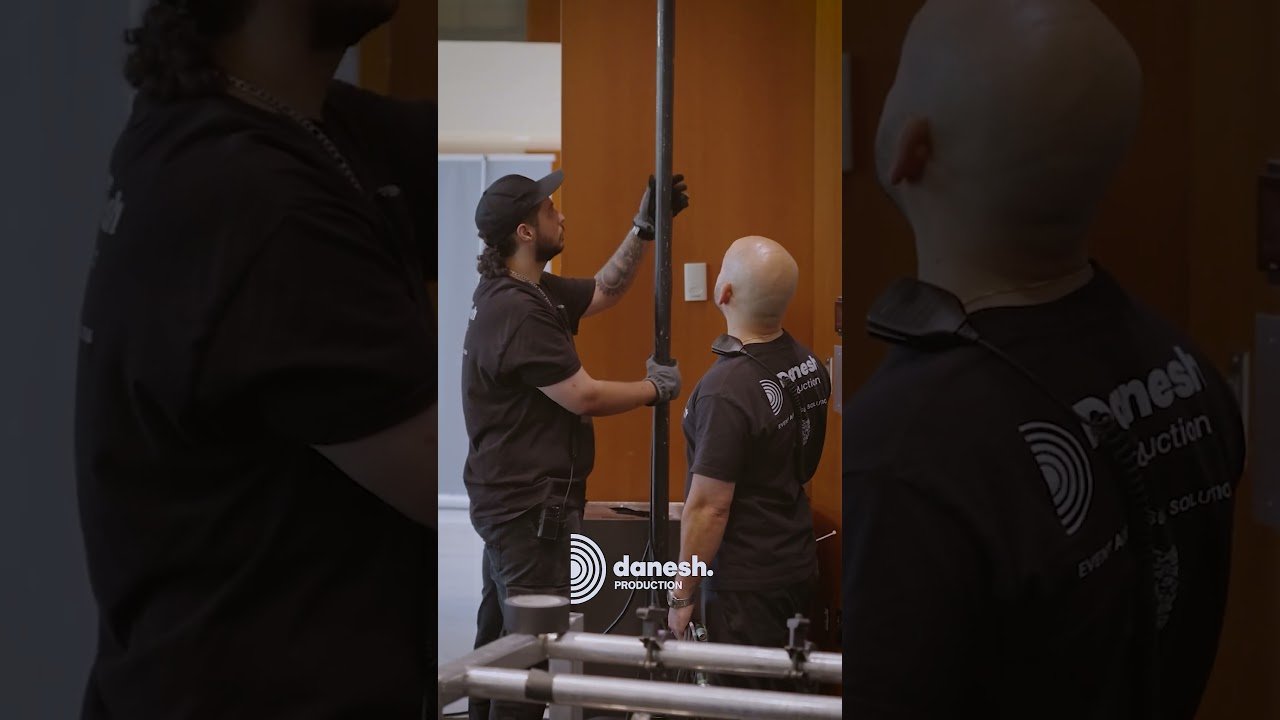
A Danesh Production fashion show setup where moving fixtures and wash lighting support the runway without replacing the even base illumination models need.
When moving heads make sense
- Concerts where lighting changes with songs and cues.
- Fashion shows that need movement and runway emphasis.
- Award shows with walk-ons, reveals and transitions.
- Corporate events with opening sequences or entertainment segments.
- Dance floors and parties where dynamic lighting is part of the experience.
Moving lights are usually unnecessary for a simple boardroom-style presentation where a stable, flattering speaker light is the priority. More movement is not automatically better.
Spotlight: When You Need a Defined Area of Attention
A spotlight creates a more concentrated area of illumination than a broad wash. It is useful when one person, object or specific stage position needs to stand out from the surrounding environment.
Spotlights are commonly used for award recipients, solo performers, podium positions, entrances and featured products. Depending on the event, the spotlight may be a fixed fixture or part of a moving-head system.
Wash Lighting: When You Need Even Coverage
Wash lighting spreads light across a wider area. Instead of creating a narrow circle, it provides smoother coverage over a stage, wall, dance floor or scenic element.
For speaker-led events, a controlled wash can help create an even presentation zone. For concerts and fashion events, coloured washes can establish the overall visual environment while spots and moving fixtures add focus.
Uplighting vs wash lighting
Both can create colour, but they solve different problems. Uplighting is typically positioned from the floor to emphasize vertical architecture. Wash lighting is usually aimed across an area to create broader, more even coverage. A ballroom may use uplights around the perimeter while the stage uses wash fixtures for people and scenic elements.
Pin Spotting: Small Beams for Details That Matter
Pin spotting uses narrow beams to highlight small visual details. It is common in weddings and galas where centrepieces, cakes, floral arrangements or branded table features should remain visible without brightening the entire room.
Pin spots work best when the object deserves attention but the surrounding ambient mood should stay relatively dark. They are a detail-lighting tool rather than a replacement for stage or room lighting.
Gobo Lighting: Projecting Patterns, Texture or Branding
Gobo lighting uses a patterned template inside a compatible fixture to project a shape, texture, logo or design. Gobos can be static or used inside moving-head fixtures.
They can add texture to walls, create a branded visual on a stage backdrop, project a company logo, or introduce patterns onto a dance floor. For corporate events, branded gobos can be useful when they are integrated into the visual system rather than repeated excessively around the room.
Which Event Lighting Type Does Your Event Need?
The best choice depends on what the lighting has to accomplish. Start with the event type and the moments that need visibility or atmosphere.
| Event type | Priority lighting | Useful additions |
|---|---|---|
| Wedding reception | Uplighting and dance-floor lighting | Pin spots for décor, moving heads for dancing, gobo for monogram |
| Corporate conference | Stage wash and controlled speaker lighting | Spotlight for awards or walk-ons, subtle branded gobo |
| Gala / awards night | Stage lighting plus room uplighting | Spotlights, moving heads, pin spots and branded gobos |
| Concert / live performance | Stage lighting and moving heads | Beams, washes, gobos, back light and cue-based effects |
| Fashion show | Even runway lighting plus stage lighting | Moving heads, washes and programmed transitions |
| Product launch | Stage or product-focused lighting | Spotlight, gobo branding, controlled moving effects |
| Holiday party | Uplighting and dance-floor lighting | Moving heads, gobos and colour effects |
Wedding Lighting: Uplighting Usually Sets the Room, Not the Faces
For weddings, uplighting is often one of the most visible room transformations. Warm tones can make a ballroom feel more intimate, while colour can reinforce the décor palette.
But key moments still need separate treatment. Speeches, entrances, cake cutting and the first dance may need spotlighting, wash coverage or a programmed look. Pin spotting can keep centrepieces and floral details visible after the room lighting becomes darker.
Corporate Events: Start With Visibility, Then Add Atmosphere
Corporate events usually need a more layered approach. Speakers and panels require controlled, consistent light. The room may then use uplighting for branding or ambience, while moving heads are reserved for opening sequences, awards, entertainment or transitions.
This separation matters because a dramatic room does not guarantee a readable presentation. Functional speaker lighting should be solved before decorative effects are added.
Concerts and Live Performances: Moving Lights Become More Important
Concerts place much more value on cue changes, movement, colour, beam effects and contrast. Moving heads can follow the structure of the performance and create different visual identities from one song to another.
Wash fixtures establish broad colour and coverage. Spots define performers. Back light creates separation. Gobos add texture. Uplighting may still appear around scenic elements or the venue, but it is rarely the main lighting system for a performance.
Fashion Shows: Even Runway Coverage With Controlled Effects
Fashion shows need models and clothing to remain clearly visible as they move. A dramatic lighting effect that creates deep dark zones on the runway can undermine the presentation.
The foundation should therefore be consistent runway coverage. Moving heads, washes and programmed effects can then add transitions, entrance energy and visual movement around the core presentation zone.
Do You Need Every Type of Event Lighting?
No. Adding more fixture categories does not automatically improve an event. A small corporate presentation may need excellent stage wash and speaker lighting but no moving heads. A wedding reception may benefit more from uplighting and pin spotting than from a complex stage rig.
The better approach is to identify four things first:
- What must people clearly see?
- Which parts of the room should feel visually transformed?
- Does the event need changing lighting cues or movement?
- Will cameras, screens or LED walls affect the lighting plan?
Once those answers are clear, fixture selection becomes much easier.
Quick Event Lighting Selection Checklist
- Use uplighting for walls, columns, drape and room ambience.
- Use stage lighting when people or performances must be clearly visible.
- Use moving heads when the event needs changing looks, movement or programmed effects.
- Use a spotlight for one defined person, object or position.
- Use wash lighting for broad, even coverage.
- Use pin spotting for centrepieces, cakes, décor and small details.
- Use gobo lighting for logos, patterns, texture or branded projection.
For speaker-focused productions, the conference stage lighting guide shows how fixture placement, camera angles and presenter visibility affect the design.
Choose the Lighting System Around the Event, Not the Fixture List
The key difference in uplighting vs stage lighting is purpose. Uplighting changes how the room feels; stage lighting changes how the action is seen. Moving heads, spotlights, washes, pin spots and gobos each solve a more specific visual problem.
For professional events, these systems work best when they are planned together around the venue, event type, stage layout, décor, cameras and show schedule. The result should feel intentional to the audience rather than like a collection of lighting equipment placed around the room.